
 AI
AIAI Industry Brief
How inference workloads change compute planning
Brief Overview
Source summary
Inference demand often grows after model launch, making predictable capacity and clear operating windows important for production AI services.
CNWG Analysis
What infrastructure teams should watch
The following interpretation connects this industry signal to practical AI infrastructure and capacity planning decisions.
Why this matters
AI model and product announcements matter because they often translate into new workload patterns: larger context windows, higher inference concurrency, more frequent fine-tuning, or tighter response-time expectations. Those changes eventually become infrastructure decisions, even when an announcement is not itself about hardware.
Compute planning signal
Infrastructure teams can use this signal to review whether planned AI workloads are primarily training, fine-tuning, batch inference, or interactive inference. Each profile places different pressure on accelerator memory, serving throughput, storage movement, and operating windows.
Infrastructure takeaway
Capacity choices should begin with a measurable workload profile and a deployment timeline. Before reserving compute, teams should identify the concurrency, reliability, and support expectations that determine whether flexible capacity or more predictable allocation is appropriate.
Related Updates
More AI infrastructure signals
 GPU
GPUHeadline
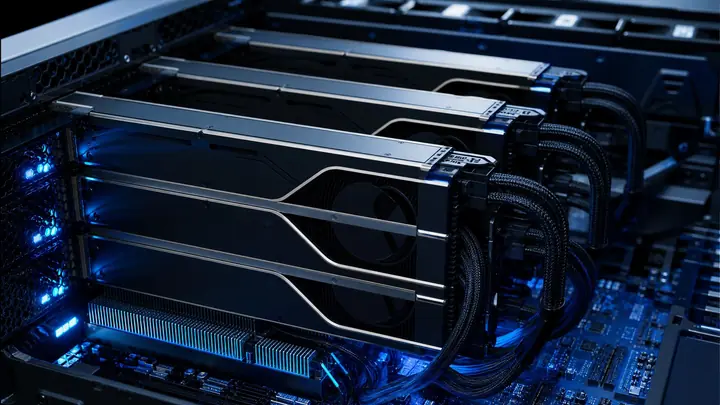
Why GPU availability matters for AI teams
AI teams increasingly plan compute capacity around GPU availability, workload priority, and training schedules rather than one-time hardware purchases.
Read Insight Compute
Headline
What AI teams evaluate before reserving compute
Teams compare GPU class, network performance, storage paths, uptime expectations, and support coverage before committing to reserved compute capacity.
Read InsightData CenterHeadline
Data center capacity and AI workload growth
As model training and inference expand, data center planning increasingly depends on power, cooling, interconnect, and operational resilience.
Read Insight